
Reviewed · WALKING TOURS
Papeete : walking tour
Papeete rewards curious walkers. This two-hour tour gives you a clear introduction to Tahiti’s capital through its public buildings, market, parks, and stories of Polynesian and French culture. I especially like the easy city pace and the chance to visit places such as the municipal market and the Assembly of French Polynesia rather than simply viewing them from outside. Pauline’s humor, warmth, and strong grasp of local history are also major strengths. The main drawback is practical: Papeete can be noisy, hot, and wet, so comfortable shoes, water, sun protection, and a little weather tolerance matter.
I like that the tour covers several central sights without trying to cram in too much. It is also a good first activity, since Pauline can explain the city and offer useful ideas for the rest of your stay. Still, this is a walking orientation, not a full-day cultural program. You will see the main downtown stops, but you will not visit the wider island or travel into Tahiti’s interior.
In This Review
- Key points at a glance
- Why this Papeete walk works so well
- Meeting Pauline near the waterfront
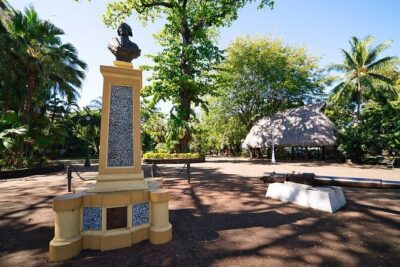
- Bougainville Park and Papeete’s public spaces
- The Assembly of French Polynesia
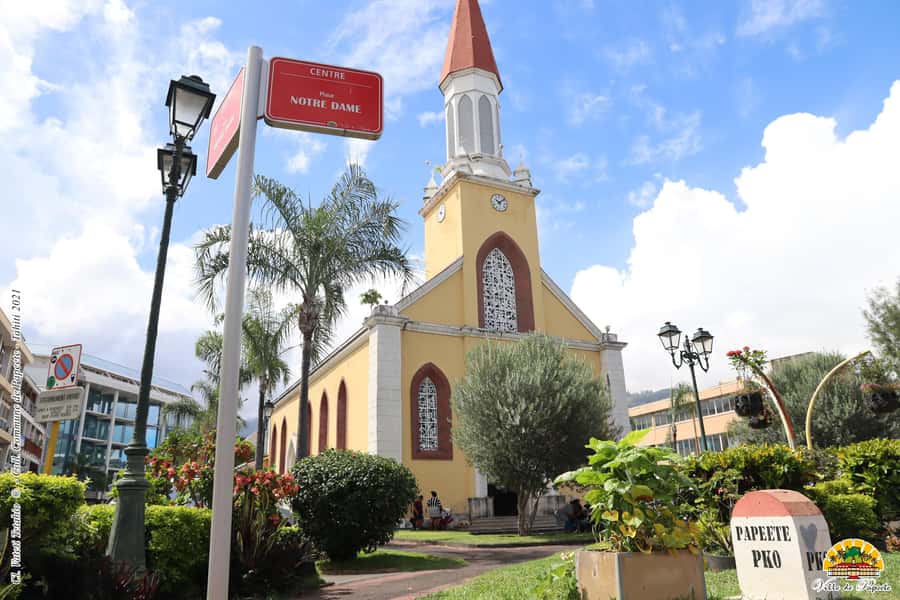
- The Catholic Cathedral and French Polynesian identity
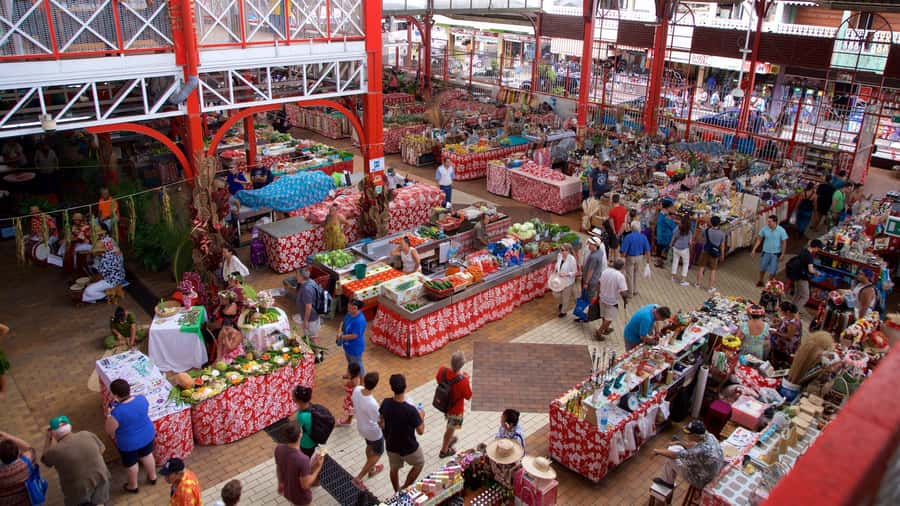
- The municipal market, the liveliest part of the route
- Town Hall and Papeete’s architectural mix
- Jacques Chirac Place and weekend changes
- Heat, rain, noise, and the real walking conditions
- Is $58 a fair price?
- Who should book this tour?
- My verdict: a smart first look at Papeete
- FAQ
- Where does the Papeete walking tour begin?
- How long does the walking tour last?
- What places does the tour visit?
- Is admission included?
- Which languages are available?
- Is the tour suitable for wheelchair users?
- What should I bring?
- Is this a private tour?
- Can I cancel the booking?
- Can I pay later?
Key points at a glance
- A gentle two-hour introduction: The route uses city sidewalks and includes several stops, making it a low-impact way to get your bearings.
- Pauline is the central strength: She leads in French, English, or Italian and brings history, culture, local products, and humor into the walk.
- The municipal market is a practical highlight: It adds color, movement, and a close look at everyday Papeete.
- Important public buildings are included: The route visits the Assembly of French Polynesia, Catholic Cathedral, and Town Hall.
- Weekend plans may change: The Assembly is closed on weekends and public holidays, so Jacques Chirac Place may replace that stop.
- A smart port-day choice: The meeting point is inside the Papeete Tourist Office near the waterfront, with no transport needed.
Why this Papeete walk works so well
Papeete is easy to underestimate. Many people see it mainly as a port for arriving in Tahiti, then hurry toward beaches, resorts, or an island excursion. That can mean missing the city’s public spaces, French colonial connections, Polynesian identity, and ordinary daily rhythm.
This tour gives you two hours to slow down and look around. I like the balance between landmark visits and practical city life. You are not only shown a grand building, then rushed onward. You also spend time at the market, where the city feels more immediate and lived-in.
The route is especially useful on your first day. It provides a framework for Papeete, so later walks through the center make more sense. Several participants have also used the guide’s suggestions for shopping and remaining time in the city. That makes the tour more useful than a simple parade of photo stops.
The pace is relaxed, with scheduled pauses and access to restrooms along the way. You still need to walk and stand for the full two hours, but this is not presented as a strenuous hike. One particularly useful detail is that all the listed sites are accessible to wheelchairs and scooters.
A few more Papeete excursions to line up
- Shared 2 Hour Papeete Walking Tour
★ 5.0 · 13 reviews - Private 2 Hour Walking Tour in Papeete
★ 5.0 · 8 reviews - Aqua Safari Introductory Helmet Dive (Underwater Walk)
★ 5.0 · 428 reviews
Meeting Pauline near the waterfront
You meet inside the Tourist Office of Papeete, near the waterfront. Tell the staff member that you are waiting for Pauline, your guide. This is a sensible meeting point for cruise passengers and anyone staying near central Papeete because it is easy to identify and does not require a separate transfer.
Pauline is the guide named for this experience, and she receives the strongest praise for the tour. Her approach combines clear explanations with a friendly personality and a touch of humor. She has answered questions about Tahitian culture, French influence, local plants, shopping, and the wider islands, so you can shape some of the conversation around your own interests.
The tour can be conducted in French, English, or Italian. Multiple languages are possible, though not common on the same outing. If you need a particular language, it is sensible to confirm that before booking rather than assume a multilingual tour will take place.
The experience is offered as a private group, which may appeal to families or friends who want more control over the pace. The supplied details do not promise a particular maximum group size, so check the available option when reserving.
Bougainville Park and Papeete’s public spaces
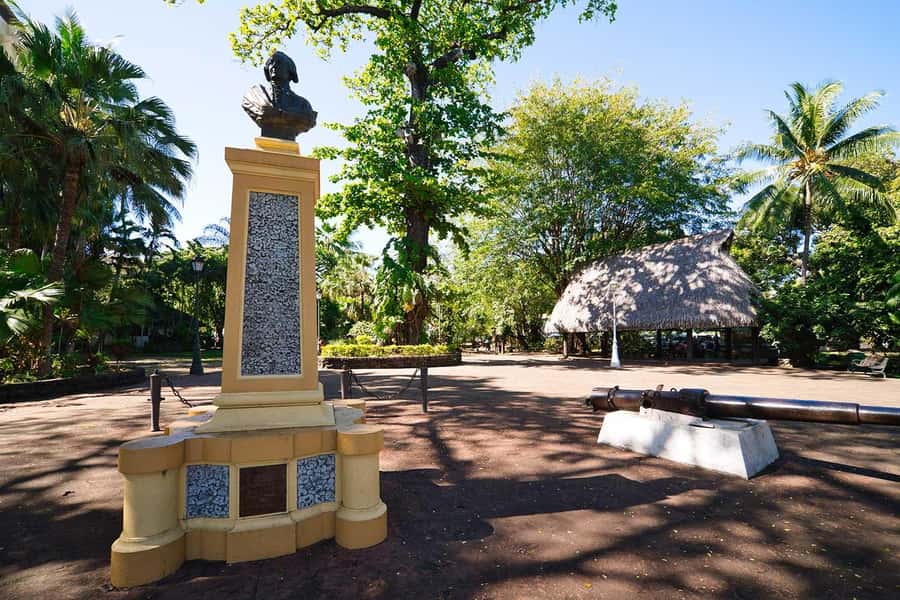
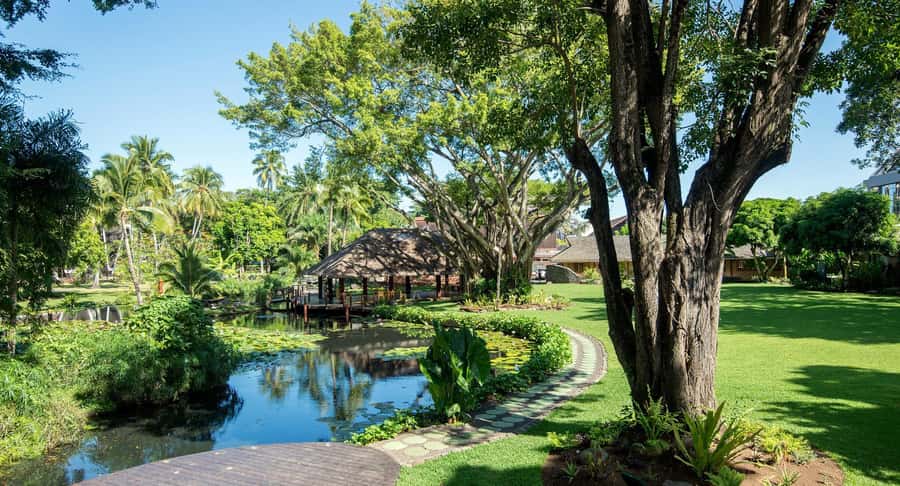
Bougainville Park is one of the first places that helps you see Papeete as more than a transport hub. The stop introduces a central green space and gives Pauline room to explain local plants, public life, and the city’s setting.
The park is also a welcome change from hard pavement. In a warm climate, even a short pause in a planted public area can make the walk feel easier. Bring a hat and water, since shade and breeze can vary during the day.
The tour’s public-space focus is useful because it shows how Papeete works as a city. You are not being taken from one isolated attraction to another. The parks, waterfront area, government buildings, and market are linked by the ordinary streets of the capital.
That said, the tour does not promise long periods in each place. If you enjoy detailed architecture photography, you may want to return later with more time. The value here is the explanation and overall picture, not an extended architectural study.
The Assembly of French Polynesia
The Assembly of French Polynesia adds an important political and cultural layer to the walk. Its architecture gives you another view of Papeete, while the visit helps place French Polynesia within its modern French connection.
Admission to the buildings visited is included, so you are not paying extra at each stop. That is helpful for a short city tour, especially when the buildings provide context that is difficult to gain from a quick exterior view.
The Assembly is closed on weekends and public holidays. On those days, the route can use Jacques Chirac Place instead. This is not a minor detail if your ship arrives on a Sunday or your visit falls during a public holiday. The alternative keeps the walk moving, but you should expect a different stop rather than the Assembly visit described for regular opening days.
The official tour time is two hours, but the order and exact timing of the stops may vary. Pauline has shown flexibility when weather, late disembarkation, or a local closure affects the schedule. It is still wise to arrive on time and keep your plans afterward reasonably flexible.
Dry land, for a change of pace:
- 5 Hours Tahiti Island Tour – West and East Coast
★ 5.0 · 1,020 reviews - Moorea Street Food Tour
★ 5.0 · 410 reviews - Unique Tahiti Tour – personalised, small group east coast tour
★ 4.5 · 314 reviews - Unique Tahiti Tour – personalised, small group west coast tour
★ 5.0 · 286 reviews
The Catholic Cathedral and French Polynesian identity
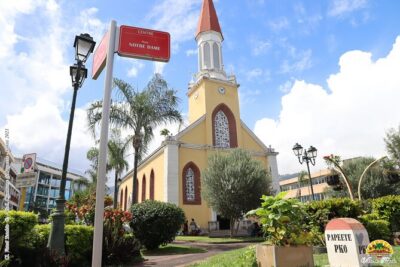
The Catholic Cathedral provides a clear look at the religious and architectural side of Papeete. It is one of the city’s best-known central buildings and fits naturally into a tour that explains how Polynesian traditions and French institutions meet in Tahiti.
I appreciate this stop because it broadens the tour beyond markets and scenic parks. You get a sense of how the city’s public and religious buildings have shaped its identity. Pauline’s explanations help connect the building to the wider story of Tahiti rather than treating it as a quick photo opportunity.
As with the other sites, the cathedral is part of a walking route, not a separate guided visit lasting an hour. If you want to sit quietly or study every architectural detail, you may need to return independently. The tour gives you the context to decide what deserves another look.
The municipal market, the liveliest part of the route
The municipal market is likely to be the most immediately engaging stop for many people. Its colors, sounds, products, and steady activity offer a direct look at daily Papeete.
This is where Pauline’s knowledge of local products becomes especially useful. She can explain what you are seeing and help distinguish a meaningful local purchase from a generic souvenir. The available information does not list particular products or guarantee shopping time, so think of the market visit first as a cultural stop, with shopping as a possible bonus.
The market also gives the tour a welcome change of pace. Government buildings and churches tell one kind of story, while the market shows how people shop, sell, eat, and meet. I would plan to keep your hands free and your bag light, since crowded market areas are easier to enjoy when you are not carrying bulky items.
If you hope to buy something specific, ask Pauline during the walk. Her willingness to answer questions and suggest places is one of the practical benefits of having a local guide.
Town Hall and Papeete’s architectural mix
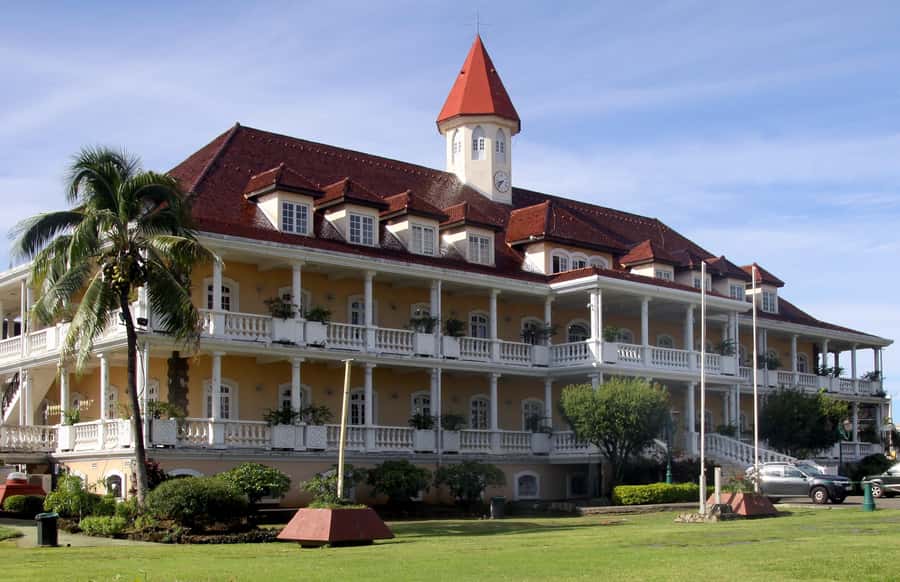
The Town Hall is another major stop and one of the tour’s best chances to look closely at Papeete’s civic architecture. Along with the Assembly and cathedral, it shows how different institutions have left their mark on the center.
The attraction is not simply the building itself. Pauline’s commentary gives you a way to read the city, linking architecture to political history, French heritage, and Polynesian culture. That broader explanation is why this walk has more value than using a map to locate the buildings on your own.
Architecture fans should keep expectations in check. You are not signing up for a specialist architectural tour, and the supplied details do not promise interior access to every building at every time. The route includes free admission to the buildings visited, but opening hours and public closures still affect what you see.
Jacques Chirac Place and weekend changes
Jacques Chirac Place is the stated alternative when the Assembly is closed on weekends and public holidays. It gives the guide another central public setting for discussing Papeete, even though it changes the balance of the route.
If the Assembly matters to you, check the day of your booking before you reserve. If you are visiting on a weekend, the alternative is not a reason to reject the tour, but it is worth knowing exactly what you are getting.
This is also a reminder to use local time and date when booking. French Polynesia operates on its own local schedule, and a mistake here could affect a cruise-day plan or airport transfer. The tour provider specifically asks you to account for local time.
Heat, rain, noise, and the real walking conditions
The tour is described as leisurely, but Papeete’s weather remains a factor. Bring comfortable shoes, a sun hat, sunscreen, and a small bottle of water. The route follows city sidewalks and is considered low impact, yet you should be comfortable walking and standing for two hours.
Rain is possible, and the tour may continue in wet conditions. Pauline has led the walk through heavy rain, so pack light rain protection if the forecast looks unsettled. A wet-weather day may reduce the pleasure of outdoor stops, even if the guide keeps the program going.
Noise is another consideration. Papeete is an active city, and one person specifically suggested that headsets would help in noisy areas. Pauline’s explanations may be harder to hear when traffic or crowds are loud, particularly for anyone with hearing difficulty. A smaller or private group may make conversation easier, but headsets are not listed as standard equipment.
The good news is that the pace includes stops and breaks. One guest described it as easy on city sidewalks rather than tiring. Still, hot pavement can make a two-hour walk feel longer than the distance suggests. An earlier start may be more comfortable, and Pauline has suggested morning departures to avoid the strongest heat.
Is $58 a fair price?
At $58 per person, this is not the cheapest way to walk around Papeete. You can see several central sights independently, especially if you are comfortable reading maps and doing your own research.
The price becomes more reasonable if you value interpretation, access to included buildings, and the chance to ask questions throughout the walk. You are paying for Pauline’s time and local perspective, not transport or an expensive attraction ticket. For a first visit, that can be good value because two hours of clear orientation may save you from spending the rest of the day guessing what you are looking at.
The value also improves for cruise passengers with limited time. The meeting point is central, the route lasts two hours, and there is no separate vehicle transfer to coordinate. You can see several key places without committing to a longer excursion.
A private group option may be worth considering if you want to ask many questions or need a slower pace. For budget-conscious visitors who have several days in Papeete, an independent walk followed by a market visit may be enough.
Who should book this tour?
I would choose this tour if you are visiting Papeete for the first time, have only a few hours in the city, or want cultural context before exploring on your own. It suits couples, families, cruise passengers, and anyone who prefers a calm walk over a bus tour.
It is also a good fit if you enjoy asking questions. Pauline’s strengths are her explanations and flexibility, so the experience is likely to be more useful if you are curious about history, local customs, shopping, plants, or French Polynesian society.
You may want a different activity if your main goal is a beach, mountain scenery, lagoon time, or a broad island tour. This experience stays in central Papeete. It also may not suit you if you dislike walking in heat or rain, or if you need audio equipment in noisy surroundings.
My verdict: a smart first look at Papeete
I would book this walking tour as an introduction, especially for a short stay or a port call. The route covers the market, parks, cathedral, government buildings, and Town Hall, while Pauline adds the explanations that make those places meaningful.
The strongest reasons to go are the relaxed pace, useful local advice, and consistently warm impression Pauline creates. Just prepare for the climate, confirm the local date and time, and remember that the Assembly may be replaced by Jacques Chirac Place on weekends and public holidays.
For $58, you get a focused two-hour orientation rather than a grand island adventure. That is precisely its strength. You finish with a better sense of Papeete and a clearer idea of how to spend the rest of your time.
FAQ
Where does the Papeete walking tour begin?
The meeting point is inside the Tourist Office in Papeete, near the waterfront. Tell the agent there that you are waiting for Pauline.
How long does the walking tour last?
The tour lasts two hours.
What places does the tour visit?
The route includes Bougainville Park, the Assembly of French Polynesia, the Catholic Cathedral, the municipal market, and Town Hall. On weekends and public holidays, Jacques Chirac Place may replace the Assembly because it is closed.
Is admission included?
Yes. Free admission to the buildings visited, including the Assembly and market, is included.
Which languages are available?
The tour can be conducted in French, English, or Italian. Tours in multiple languages are possible, but uncommon.
Is the tour suitable for wheelchair users?
The listed sites are accessible to wheelchairs and scooters. Participants should still be able to walk and stand during the two-hour experience.
What should I bring?
Wear comfortable shoes, bring a sun hat and carry a small bottle of water. Sunscreen is also a sensible choice based on the warm outdoor conditions.
Is this a private tour?
A private group option is available. The standard details do not specify that every booking is private.
Can I cancel the booking?
You can cancel up to 24 hours in advance for a full refund.
Can I pay later?
Yes. The reserve-now, pay-later option allows you to secure a place without paying immediately.
Newly listed on Papeete
- Tahiti: Full Day Tour with Taxi Boat (Teahupoo. OJ 2024)★ 5.0 · 14 reviews
- Tahiti: Full Day Tour with Private Flight EN Cessna (Moorea & Tahiti)★ 3.5 · 3 reviews
- Tahiti: Full Day Tour of the Island★ 4.5 · 15 reviews
- Private : Tahiti Museum & Circle Island Tour, Afternoon Tour (5h)★ 4.0 · 6 reviews
- Private Tour of Tahiti’s East Coast 3hours★ 5.0 · 4 reviews
- Papeete City Tour, 3hours (on Tahiti)★ 5.0 · 3 reviews
- Shared 2 Hour Papeete Walking Tour★ 5.0 · 13 reviews
- Private Transfer: Hotel or Cruise Port to Tahiti Airport★ 4.0 · 14 reviews
Walking Tours, compared.
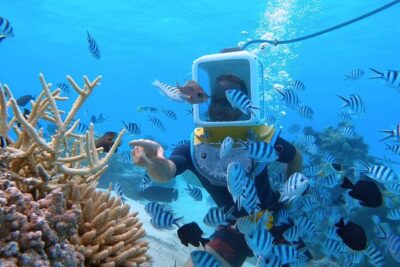
Aqua Safari Introductory Helmet Dive (Underwater Walk)
Read our review →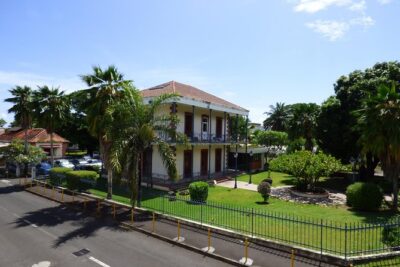
Papeete cultural and historic walking tour at night
Read our review →Browse the lists this tour appears in