
Reviewed · POLYNESIAN CULTURE TOURS
Polynesian culinary experience
Food tells Moorea’s story. In Paopao Valley, Audrey and Stevenson turn a cooking class into a generous lesson about local life, farming, and tradition. I especially like the setting among pineapple fields and gardens, plus the chance to prepare a full Polynesian meal rather than simply watch someone cook. The main thing to consider is the early 9:00 a.m. start and the lack of included transportation, so you need to arrange your own way to the meeting point.
This is a private experience, which makes it a good choice for couples, families, or a small group that wants conversation instead of a large class. You should also come hungry: the session lasts about three and a half hours and includes snacks, drinks, lunch, and recipes to take home.
In This Review
- Key points to know before booking
- Arriving in Paopao Valley at 9:00 a.m.
- Meeting Audrey and Stevenson in their cooking space
- Learning local plants in the garden
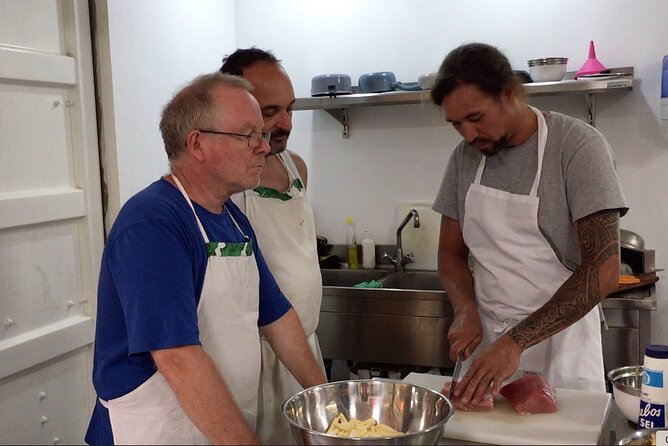
- Preparing poisson cru and fresh tuna
- Cooking with coconut, leaves, and breadfruit
- Sitting down together for a Polynesian lunch
- What the $99 price really covers
- Who will enjoy this class most
- A few practical points before you commit
- Should you book Food&CookLab Tahiti-Moorea?
- FAQ
- Where does the Polynesian culinary experience take place?
- What time does the class begin?
- How long does the experience last?
- Is lunch included?
- Is transportation included?
- Is this a private activity?
Key points to know before booking
- Pineapple fields and mountain scenery: The class takes place in Moorea’s Paopao Valley, beside gardens and a production laboratory.
- Hands-on local cooking: You may prepare poisson cru, coconut bread baked in leaves, grilled tuna, breadfruit, sauces, and desserts.
- Culture beyond the plate: Audrey and Stevenson explain Polynesian history, agriculture, food traditions, and daily life.
- A full meal is included: Coffee or tea, snacks, lunch, and all fees are covered in the $99 price.
- Private, relaxed format: Only your group takes part, with time to cook, eat, talk, and enjoy the setting.
- Plan your own arrival: Transportation and alcoholic drinks are not included, and the start time is 9:00 a.m.
Arriving in Paopao Valley at 9:00 a.m.
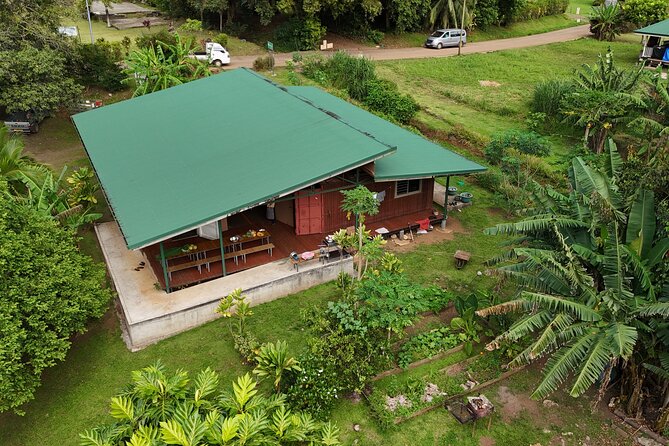
The experience begins at F5MG+32W in Moorea-Maiao, French Polynesia, and finishes at the same meeting point. The start time is 9:00 a.m., so this is not a casual midday activity you can fit in after a slow hotel breakfast. You will want to allow enough time to reach the valley without rushing.
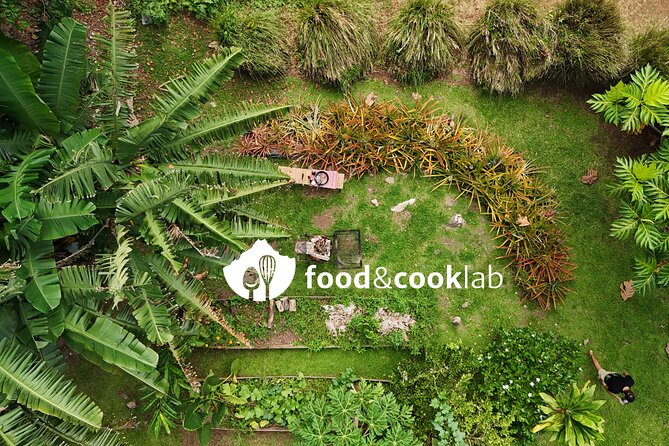
The location matters. This is not a cooking demonstration tucked into a resort dining room. You work in professional spaces designed for culinary workshops and training, next to a production laboratory and surrounded by growing gardens. Pineapple fields and Moorea’s jagged mountain peaks help set the scene.
I like that the setting gives the food a clear connection to the land. You are not simply hearing that ingredients are local. You can see the gardens and learn how fruits, vegetables, and other plants fit into Polynesian cooking and agriculture.
There is no air-conditioned vehicle included. That is worth noting when planning your morning, especially if you are staying somewhere else on the island. The meeting point is also given as a plus code, so save it before leaving your accommodation and make sure you know how you will get there.
More Polynesian culture visits on Moorea:
- Land and Sea cultural tour to discover traditions, heritage and the lagoon
★ 4.5 · 24 reviews - Authentic Polynesian Experience
★ 5.0 · 491 reviews - Full Day Combo ATV & Jet Ski with a Polynesian BBQ on a Motu
★ 5.0 · 373 reviews
Meeting Audrey and Stevenson in their cooking space
The hosts, Audrey and Stevenson, lead the class with help from their team. Their teaching covers more than recipes. You learn about local products, how ingredients are grown, which foods are native, which are seasonal, and which are imported.
That context is one of the strongest reasons to book this experience. A recipe alone can show you what to mix or grill. A food lesson connected to land and culture helps you understand why certain ingredients are used and how Polynesian society has changed over time.
The class also gives you a chance to hear about Moorea through the personal experiences of the people running it. Their approach is friendly and down to earth, with a relaxed pace rather than a stiff schoolroom feel. The facility is described as clean and well maintained, an important detail when you will be handling food and working at preparation stations.
Because the activity is private, only your group participates. That can make a big difference. You can ask questions freely, work at a comfortable pace, and have a more personal exchange over lunch. If you like social energy from a large group, this format may feel quieter. If you want real conversation, it is a strong advantage.
Learning local plants in the garden
One part of the experience takes you into the growing gardens around the cooking space. You learn to identify different plants and see the resources available in the valley.
This garden element gives the class a useful rhythm. You are not sitting at a counter for three and a half hours. Instead, the activity connects the ingredients to the place where they grow, then brings them into the kitchen for preparation.
The lesson also helps explain the practical side of Polynesian food. Local cooking makes use of what is available, including plants, fruit, vegetables, fish, leaves, coconut, and root crops. The techniques show how food can be prepared with simple materials and careful use of the natural resources around you.
For me, this is where the class moves beyond a standard cooking lesson. You begin to see food as part of agriculture, family life, local work, and cultural change. The gardens are not just a pretty backdrop for photographs. They are part of the lesson.
Preparing poisson cru and fresh tuna
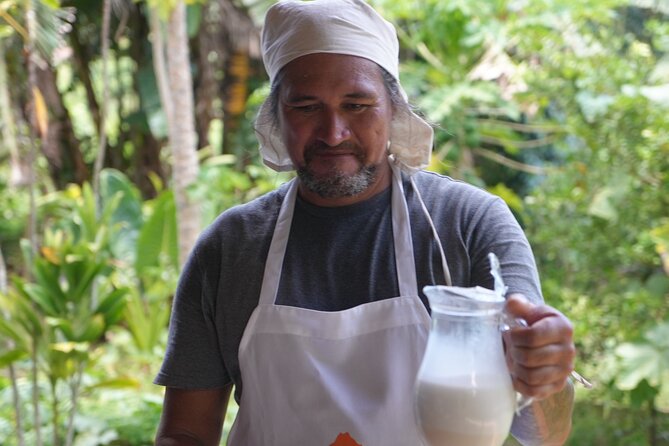
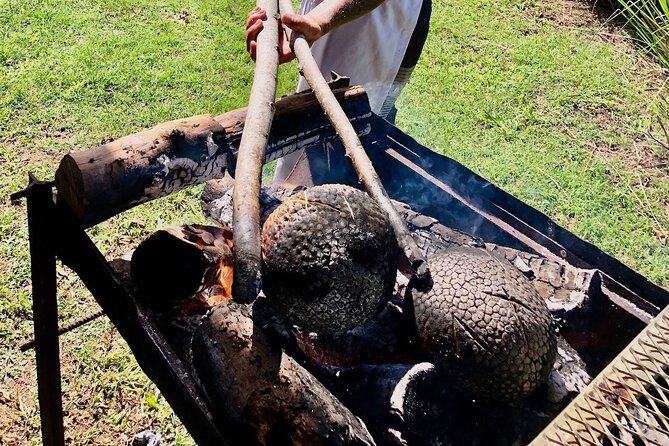
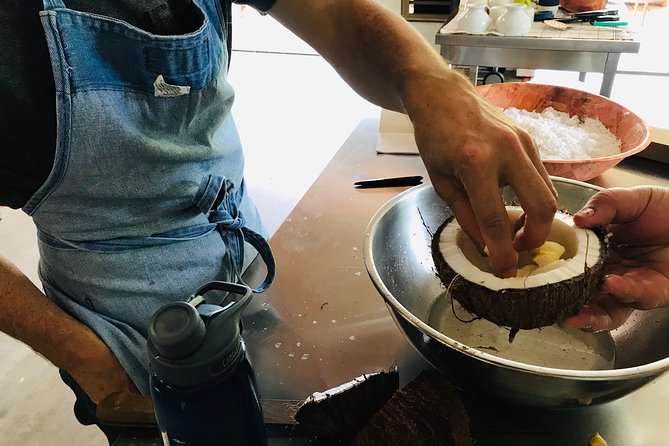
The menu includes a generous range of dishes rather than one signature recipe. A typical spread described in the experience includes poisson cru, fresh tuna, coconut bread wrapped in banana leaves, coconut chips, grilled or barbecued tuna with homemade sauces, and roasted breadfruit.
Poisson cru is one of the dishes you may prepare. The process can include learning how to carve tuna and combine it with local flavors. It is a familiar Polynesian dish, but preparing it yourself gives you a better sense of the care behind it.
Fresh line-caught red tuna is used in the cooking, according to the experience details. The tuna may also be grilled with two different glazed sauces, giving you a useful comparison between raw and cooked preparations.
The practical value is high if you enjoy cooking at home. You are not just served a finished plate. You learn techniques that can be adapted to your own kitchen, along with ways to use sauces, coconut, leaves, and local produce.
You should not expect a restaurant menu with many substitutions or a dish-by-dish choice. This is a set culinary experience built around Polynesian ingredients and traditional methods. That is part of its appeal, but anyone with strong food restrictions should raise the issue before booking.
Vegetarian accommodations have been made for participants in the past, which is encouraging, but the information does not promise a fixed vegetarian menu. Contact the provider ahead of time if you need changes. Do not wait until the morning of the class.
A few more Moorea excursions to line up
- Moorea 6-Hour Snorkeling and Lunch Shared Tour
★ 5.0 · 1,758 reviews - Moorea 4WD Tour Inc. Belvedere, Pineapple Farm, Magic Mountain…
★ 5.0 · 967 reviews - Snorkeling excursion, discovery of the lagoon, small group.
★ 5.0 · 861 reviews - Franckyfranck Tours Moorea – Half day Tours
★ 5.0 · 817 reviews
Cooking with coconut, leaves, and breadfruit
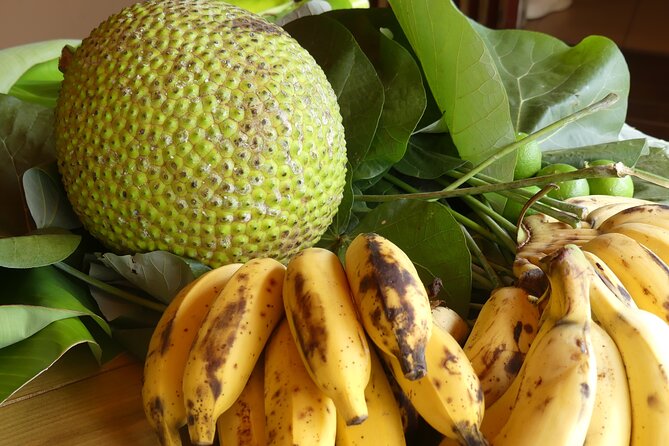
The class shows how traditional cooking methods make use of the materials around you. Coconut bread can be wrapped in a leaf before cooking, while a dessert may be prepared in a banana leaf.
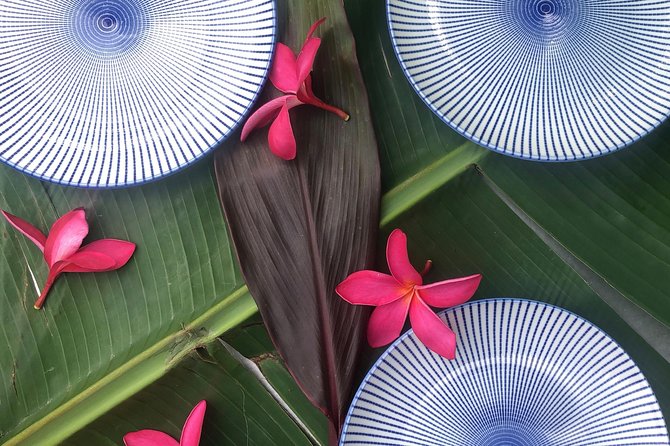
These methods are more than decoration. Leaves can help contain food, protect it during cooking, and add a sense of place to the meal. The class also includes coconut chips and roasted breadfruit, giving you several ways to experience coconut and local staples.
Breadfruit is especially useful in understanding the variety of Polynesian food. If your only expectation is poisson cru, this meal should broaden your view. The cooking includes seafood, fruit, vegetables, bread, root crops, sauces, and dessert.
Another dish described in the experience is a pumpkin and tapioca-style dessert wrapped in banana leaf. It gives the meal a sweet finish while showing how leaves can be part of the cooking process, not merely used for serving.
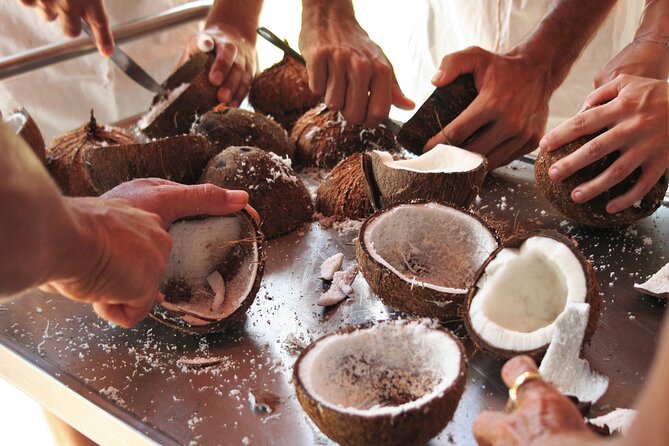
I appreciate the range. In about three and a half hours, you get several small lessons instead of one narrow recipe. You can learn how to handle fish, prepare coconut, work with breadfruit, use banana leaves, and combine local ingredients in sweet and savory dishes.
Sitting down together for a Polynesian lunch
After the preparation, everyone sits down to eat the meal together. Coffee and tea, snacks, and lunch are included, along with all fees and taxes.
The shared meal is an important part of the experience. You get to taste the results while the cooking is still fresh, then continue talking with Audrey and Stevenson about food, culture, and life in Moorea. The meal is not simply a reward at the end. It is the point where the separate ingredients and techniques come together.
Some participants have had enough food left over to enjoy another meal later in the day. Leftovers are not guaranteed, since portions and menus can vary, but the experience is clearly intended to be a substantial lunch rather than a small tasting.
Alcoholic drinks are not included. That is easy to overlook when booking a food activity, so plan on coffee or tea and the nonalcoholic refreshments provided. If you are looking for a wine-pairing class, this is not that kind of event.
The meal also gives you time to slow down. Moorea is famous for water activities and mountain outings, but a long shared lunch offers a different view of the island. You learn by doing, then have time to talk without racing to the next stop.
What the $99 price really covers
At $99 per person, this is not the cheapest way to eat lunch in Moorea. It is also not simply a restaurant meal. The fee covers about three and a half hours of instruction, hands-on preparation, snacks, coffee or tea, lunch, and all fees and taxes.
You are paying for the setting, the ingredients, the teaching, the cultural discussion, and the meal. Recipes are provided so you can try the dishes again at home. That last part adds practical value, particularly if you enjoy cooking and want a lasting souvenir beyond photographs.
The private format also affects the value. A private class can cost more than a shared group outing, but you receive direct attention and a quieter setting. Couples and families may find the price easier to justify because the activity combines lunch, a cultural lesson, and a personal meeting with local hosts.
I would not choose this experience solely as a way to save money on food. I would choose it if you want to understand what you are eating and take some skills home with you. The high rating and full recommendation rate point to consistent satisfaction, but the right fit still depends on your interests.
If you dislike organized instruction, prefer to eat quickly, or have no interest in cooking, $99 may feel high. If you enjoy food, gardens, culture, and conversation, it offers more than a standard meal.
Who will enjoy this class most
This is a natural fit for couples, families, and small private groups. It also suits a honeymoon activity, a birthday surprise, or a relaxed day away from the beach. One family even included a 92-year-old participant, suggesting that the experience can work across generations, though the information does not specify detailed accessibility arrangements.
You do not need to be an expert cook. The class is built around participation and teaching, so beginners should have plenty to do. You may also enjoy it if you already cook often, since the traditional methods and local ingredients offer something different from a typical home kitchen.
Food-focused people will get the most from the menu. So will anyone who wants to learn about Polynesian culture through everyday practices rather than a formal lecture.
Service animals are allowed. The experience is private, but no specific information is provided about wheelchair access, seating arrangements, or the physical demands of the cooking stations. If those details matter to you, ask before booking.
A few practical points before you commit
Use the mobile ticket and keep the meeting details easy to find. Confirmation is received at booking, and the experience returns to the same meeting point when it ends.
Allow the full three and a half hours. The morning begins with preparation and teaching, then moves into lunch, so you should not schedule another activity too tightly afterward.
Plan your transport separately because an air-conditioned vehicle is not included. Alcohol is also not included, and there is no indication that it forms part of the experience.
Free cancellation is available if you cancel at least 24 hours before the 9:00 a.m. start. Cancellations or changes made within 24 hours are not accepted for a refund, and the cut-off follows Moorea local time.
Should you book Food&CookLab Tahiti-Moorea?
I would book this class if you want a personal, food-centered way to understand Moorea. The strongest features are the Paopao Valley setting, the hands-on preparation, the generous meal, and the way Audrey and Stevenson connect recipes with farming, history, and daily life.
Book it early if the date fits your schedule, since the activity has drawn steady demand. Make sure you can reach the meeting point by 9:00 a.m., and tell the provider about dietary needs before the day itself.
Skip it if you want a quick lunch, a resort-style cooking show, or a drink-focused food tour. Choose it if you like learning by doing and want to leave Moorea with recipes, new techniques, and a better sense of how Polynesian food makes use of the island’s own resources.
FAQ
Where does the Polynesian culinary experience take place?
It takes place in the Paopao Valley of Moorea, French Polynesia, at F5MG+32W, Moorea-Maiao. The class is held in professional culinary workshop spaces beside a production laboratory and near growing gardens.
What time does the class begin?
The experience begins at 9:00 a.m. local time.
How long does the experience last?
The activity lasts approximately three hours and 30 minutes. It ends back at the meeting point.
Is lunch included?
Yes. Lunch, snacks, coffee or tea, and all fees and taxes are included in the price.
Is transportation included?
No. An air-conditioned vehicle is not included, so you must arrange your own transportation to and from the meeting point.
Is this a private activity?
Yes. Only your group participates in the activity. Service animals are also allowed.
Newly listed on Moorea
- moorea tubing★ 5.0 · 12 reviews
- Whale Watching Moorea (non-swimming)★ 4.0 · 12 reviews
- Yoga at sunrise at Sofitel Moorea, overlooking Tahiti★ 5.0 · 3 reviews
- Snorkeling Tour in Moorea Aquatic Adventure Half Day★ 5.0 · 4 reviews
- Watch and Swim with Humpback Whales in Moorea★ 5.0 · 3 reviews
- Unique photo shoot in the heart DE Moorea: Beach & mountain combo★ 5.0 · 3 reviews
- Shared Transfer : Hotel to Moorea Airport (or) Pier★ 4.5 · 9 reviews
- Snorkeling Lagoon Cruise and Whale Watching in Moorea★ 5.0 · 2 reviews
Polynesian Culture Tours, compared.
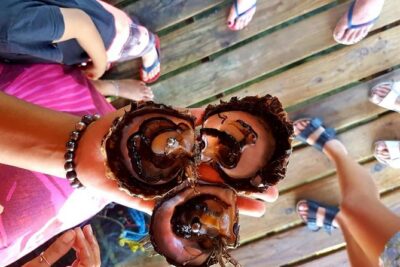
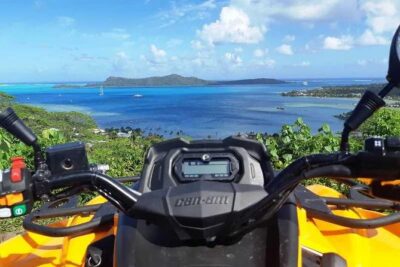
Full Day Combo ATV & Jet Ski with a Polynesian BBQ on a Motu
Read our review →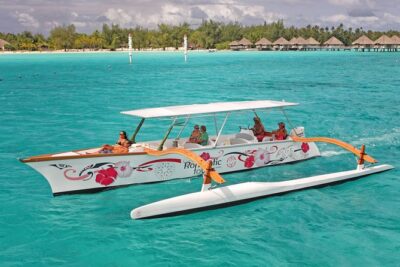
Bora Bora Snorkel Cruise by Polynesian Outrigger Canoe with BBQ Island Lunch
Read our review →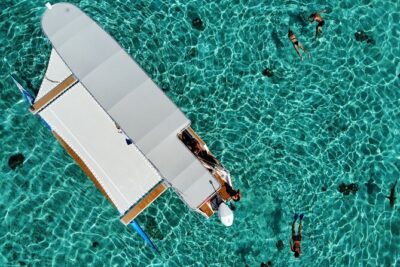
The Vanilla tour of Taha’a in a comfortable outrigger canoe
Read our review →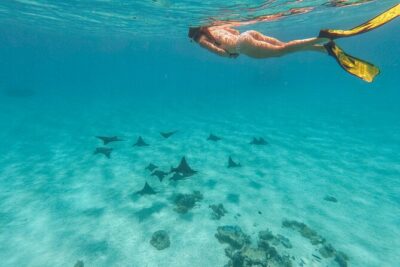
SHARED FULL DAY CULTURAL & LAGOON TOUR – Bora Bora Cultural Lagoon Tour
Read our review →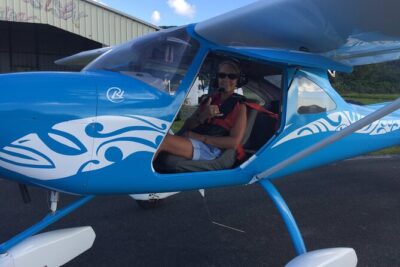
Private flight, in a light plane over the Polynesian motus from Raiatea
Read our review →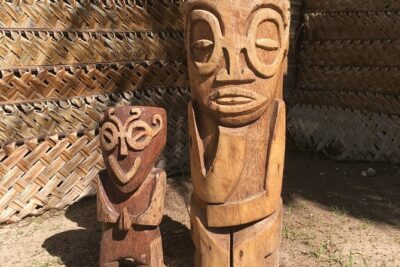
Land and Sea cultural tour to discover traditions, heritage and the lagoon
Read our review →
Discover the Beauty of Polynesian Waters by Boat and Snorkeling
Read our review →Browse the lists this tour appears in